Learn — 25 articles
Guides, comparisons and stories from the atlas of stones.
Lustre is the quality and intensity of light reflected from a mineral's surface. It is determined primarily by the mineral's refractive index and its ability to take a polish. Mineralogists recognize seven main lustre types for gemstones: adamantine, vitreous, pearly, silky, resinous, waxy, and metallic. Lustre is one of the first properties to assess when identifying an unknown stone.
Gemstone cuts fall into four main families: brilliant cuts (which maximize sparkle), step cuts (which emphasize clarity and color), cabochon (a polished dome for opaque or effect stones), and rose cuts (a historical dome with facets). The cut a stone receives depends on its optical properties, clarity, and what the finished piece is intended to do with light.
The Mohs scale is a relative measure of mineral scratch resistance, numbered 1 to 10. A mineral at a higher number scratches any mineral below it: quartz (7) scratches feldspar (6), and diamond (10) scratches everything. The scale was devised by German mineralogist Friedrich Mohs in 1812 and remains the standard tool for identifying minerals and assessing gem durability.
Starting a crystal collection requires three decisions before you spend anything: which stones to begin with, where to buy them, and how you will care for them. A collection of five versatile stones kept in good condition will serve you better than thirty poorly chosen pieces bought in a rush.
Programming a crystal, in crystal practice tradition, means assigning a single focused intention to a stone so that it serves as a physical reminder and anchor for that goal or purpose. The process requires a cleansed stone, a quiet environment, and a clear statement of intent — no tools or materials beyond the crystal itself.
Gemstones form through four main geological processes: crystallization from cooling magma or magmatic fluids, precipitation from hot mineral-rich water, recrystallization under high heat and pressure, and concentration through erosion and water transport. Each process produces a characteristic set of gem species, which is why rubies come from metamorphic rocks and diamonds from volcanic pipes.
Mineral, crystal, and gemstone are three different concepts that frequently overlap but are not interchangeable. A mineral is a naturally occurring chemical substance with a defined composition. A crystal is a structural description — any solid whose atoms are arranged in a repeating geometric lattice. A gemstone is an economic and aesthetic category: any material valued for beauty, durability, and rarity.
No universal certification scheme covers decorative crystals as of 2026. Buyers who want to purchase more responsibly must ask specific questions of sellers, understand which sourcing regions carry higher documented risk, and accept that complete traceability is rare in this supply chain. The goal is not perfect certainty but meaningfully better choices.
Store crystals separated by hardness to prevent softer stones being scratched by harder neighbors, keep humidity below 40% relative humidity for reactive minerals, and block direct UV light from color-sensitive stones such as amethyst and fluorite. A small collection can be stored safely with three materials: individual fabric pouches, a wood or plastic divided tray, and silica gel packets for humidity control.
A crystal spray is a water-based spray bottle to which crystal energy is attributed, typically made with distilled or spring water, optional essential oils, and — importantly — either no crystal contact with the water or only crystals confirmed to be safe for direct water contact. The most common DIY mistake is putting water-soluble or toxic minerals directly into the spray water. This guide covers both safe method and stone safety.
A crystal pendulum is a weighted gemstone hung from a chain, used in a reflective practice where swing direction is interpreted as yes, no, or neutral. The movement is produced by the ideomotor effect — small, involuntary muscle movements that amplify the body's existing felt sense into a visible swing. Practitioners find it useful for slowing down decisions and surfacing intuition.
Crystals are incorporated into meditation as physical focal points — something to hold, look at, or feel — that help anchor attention and extend the time spent in deliberate stillness. The stone itself is not what produces the meditative state; the stillness does. The crystal acts as a tactile anchor, the way a mala bead or mantra does in other traditions.
Crystal journaling is the practice of keeping a written record of your work with crystals — which stones you used, in what context, what your intention was, and what you noticed afterward. It functions simultaneously as a mindfulness practice and as a personal database: over time, it reveals patterns in which stones and practices feel meaningful to you and which do not.
No controlled study published in the scientific literature demonstrates that crystal healing produces effects beyond what can be explained by expectation and the placebo response. The most cited evidence comes from two studies led by psychologist Christopher French, presented at conferences in 1999 and 2001, which found no measurable difference between real and fake crystals in producing the sensations practitioners attribute to crystal energy.
A crystal grid is an arrangement of stones placed in a geometric pattern with a stated intention. The practice combines the tradition of working with individual stones with principles of sacred geometry; practitioners use grids to focus and sustain an intention over days or weeks without requiring active meditation each day. There is no single correct way to build one.
In Hindu and yogic tradition, the chakras are seven energy centers located along the body's central axis, each associated with specific physical areas, psychological states, and elemental qualities. Crystal practitioners use stones whose traditional color or energetic association corresponds to a given chakra, placing them on or near the body during meditation or carrying them as personal anchors. The assignments below are tradition, not physical fact, and vary between lineages and practitioners.
The modern birthstone list assigns one or more gemstones to each calendar month. The current standard was first formalized by the American National Retail Jewelers Association in 1912 and has been updated several times since — most recently when tanzanite was added to December in 2002 and spinel to August in 2016. The table below lists modern birthstones by month along with each stone's key physical properties and traditional associations.
Crystals sold online range from genuine natural minerals to glass, plastic, and dyed cheaper stones misrepresented under a more desirable name. The risk is highest at very low price points and on marketplaces without strict gemstone listing policies. Knowing which stones are most commonly faked and running a few simple checks before or after purchase catches most substitutions.
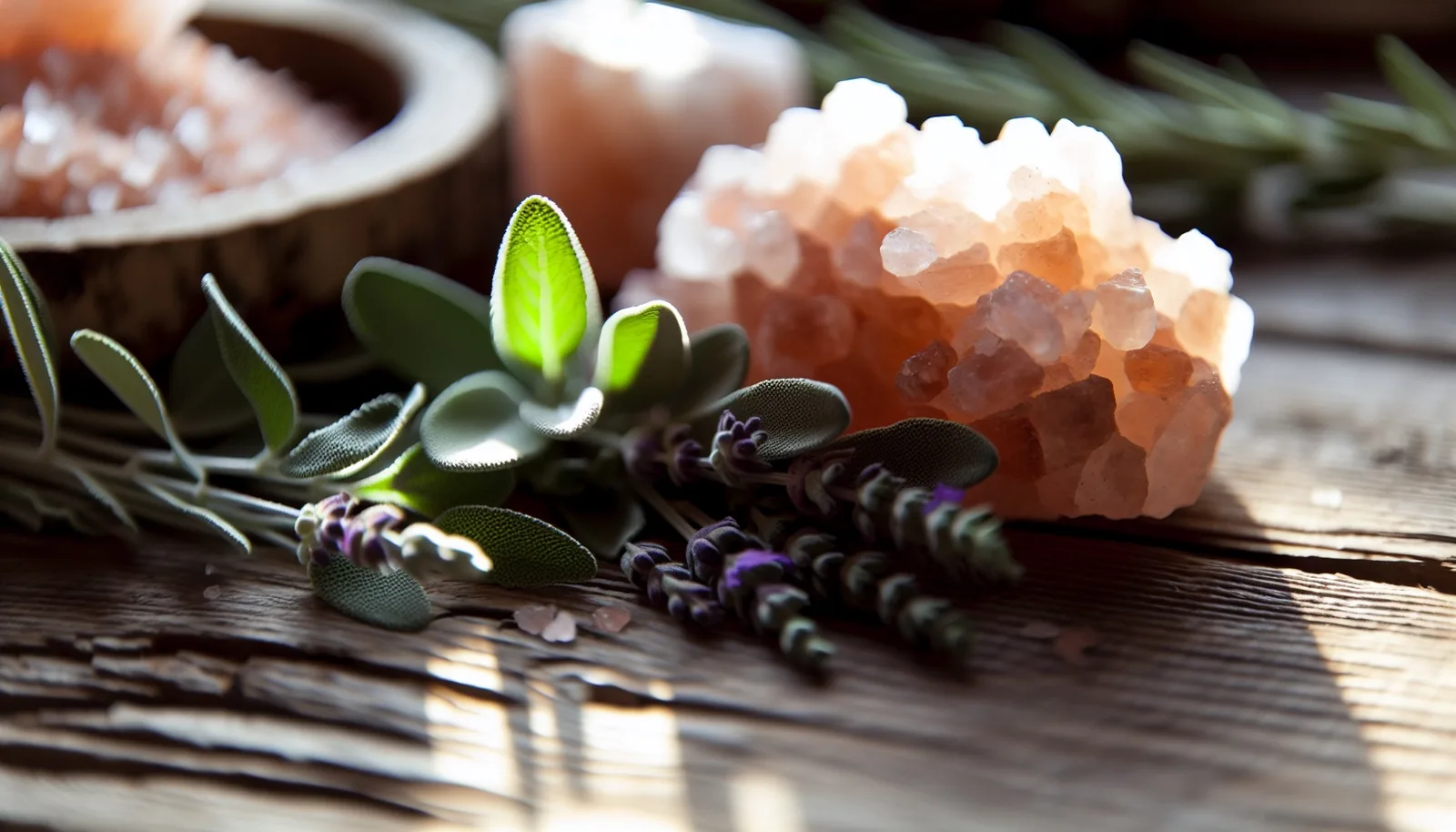
Stones with a Mohs hardness of 7 or above and no reactive chemistry are generally safe for dry salt contact and brief salt-brine exposure. Stones below hardness 7, porous minerals, and those containing reactive metals or carbonate chemistry should never go in salt, as the abrasion, dissolved ions, and hygroscopic pull of salt crystals will damage them. The 34-stone table below lists safe, caution, and never ratings for the site's most common stones.
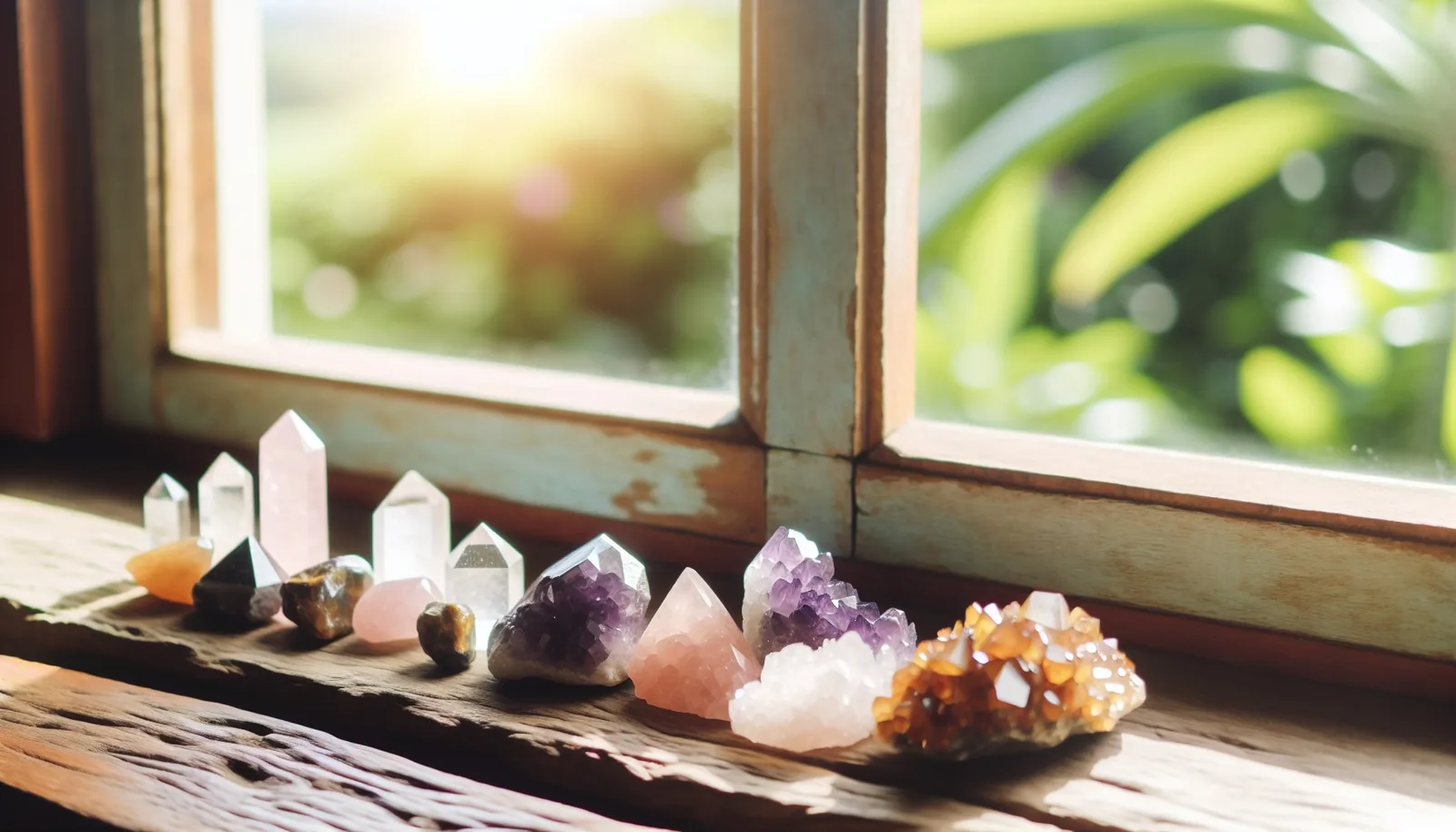
Stones colored by iron oxide, chromium, or structural effects are sun-safe and can charge outdoors without risk. Stones colored by radiation-induced color centers — including amethyst, smoky quartz, and many fluorites — will fade with prolonged UV exposure, because the same UV light that colored them destroys those color centers. Porous stones like opal risk crazing as surface water evaporates in heat. The 33-stone table below rates each stone with the physical reason.
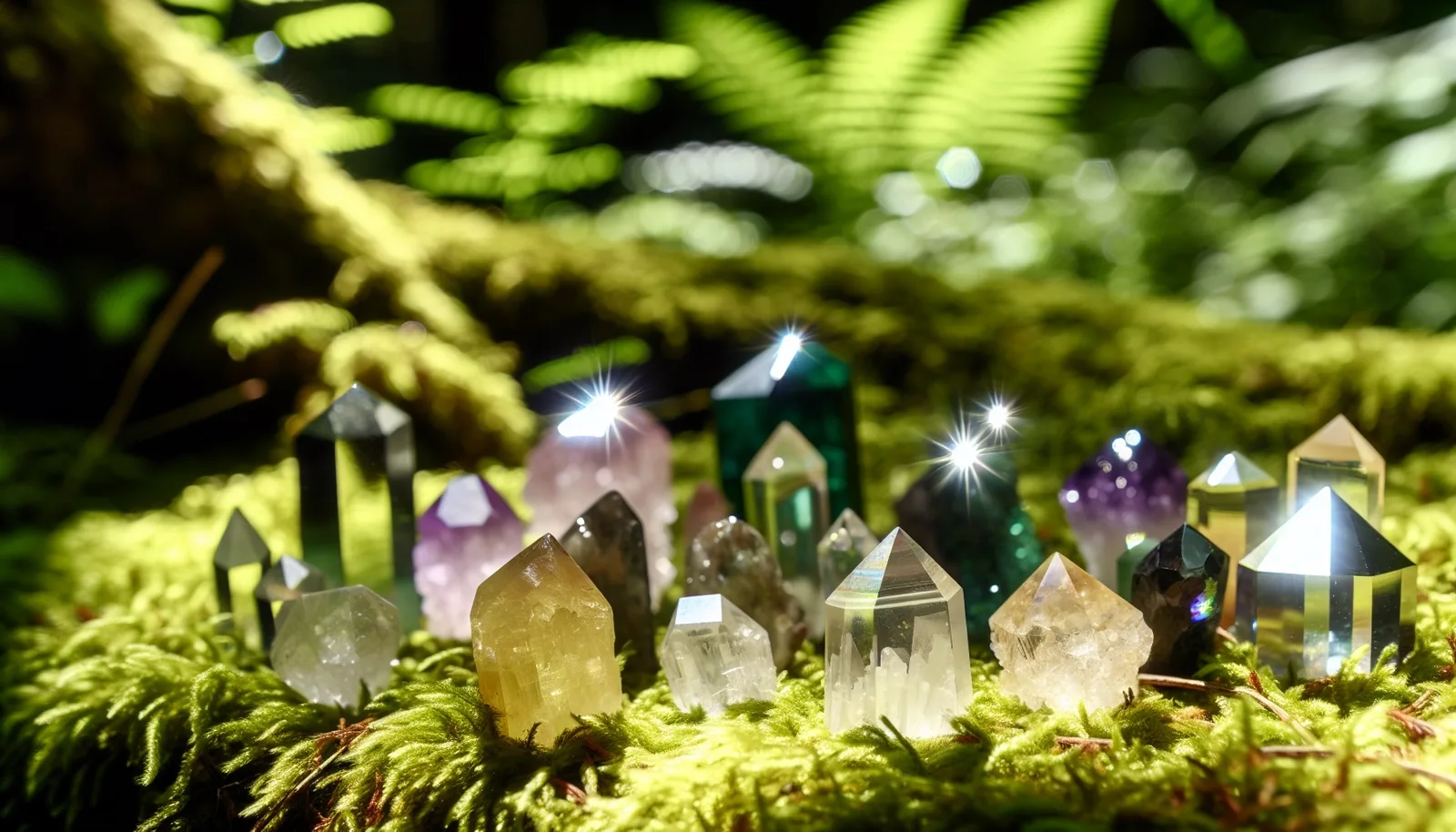
Charging a crystal is a practice of intentionally infusing it with energy — lunar, solar, sound, or intention — to prepare it for active use. Cleanse a crystal first, then charge it. The method that suits a stone depends on the stone's sensitivity to sunlight, moisture, and physical stress.
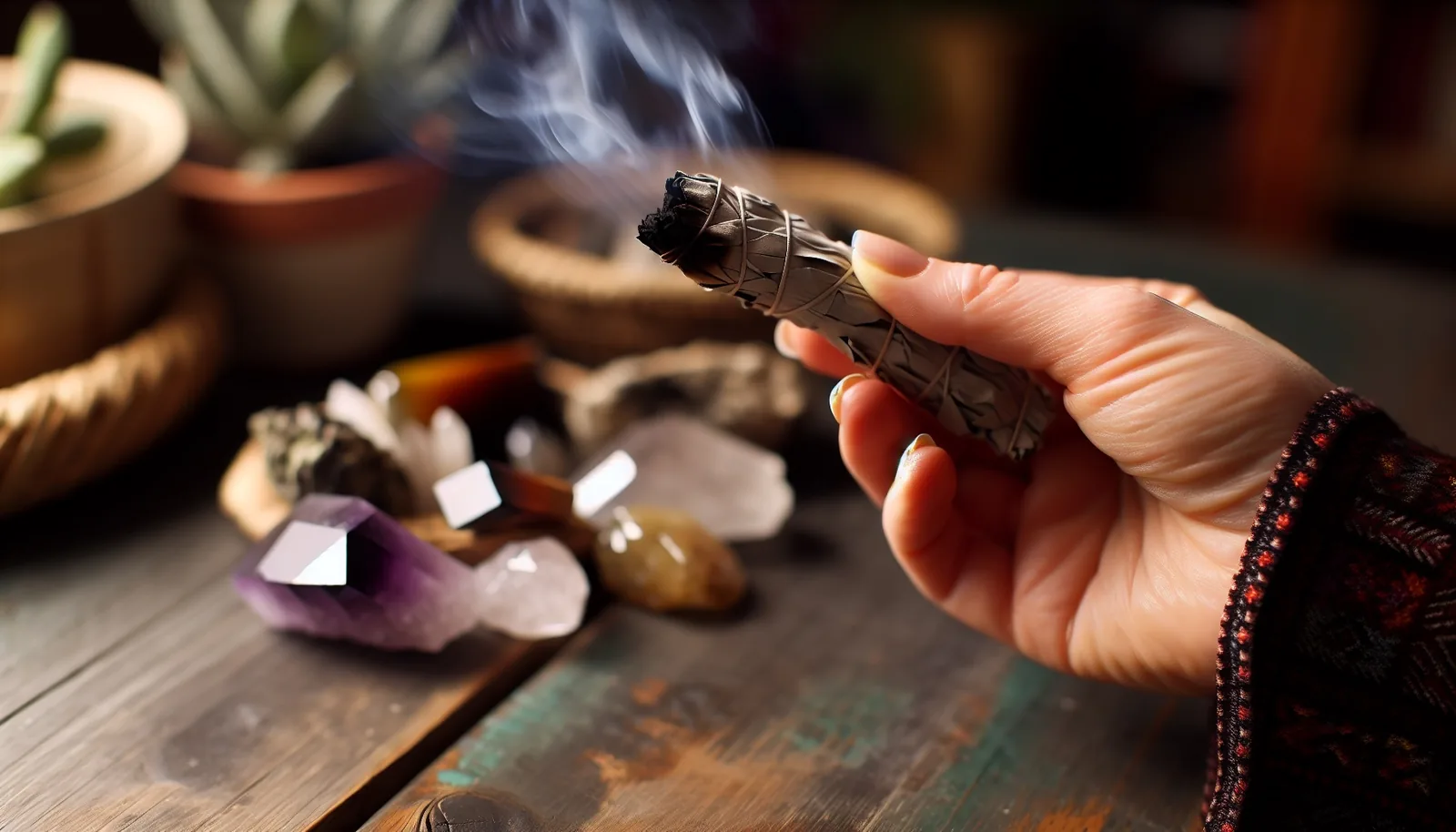
Crystal cleansing is a practice of removing accumulated energy from a stone — resetting it to a neutral state for renewed use. Six main methods are used: moonlight, water rinse, smoke, sound, earth burial, and placement with a companion stone. The right method depends on your stone's hardness, chemistry, and sensitivity to light or moisture.
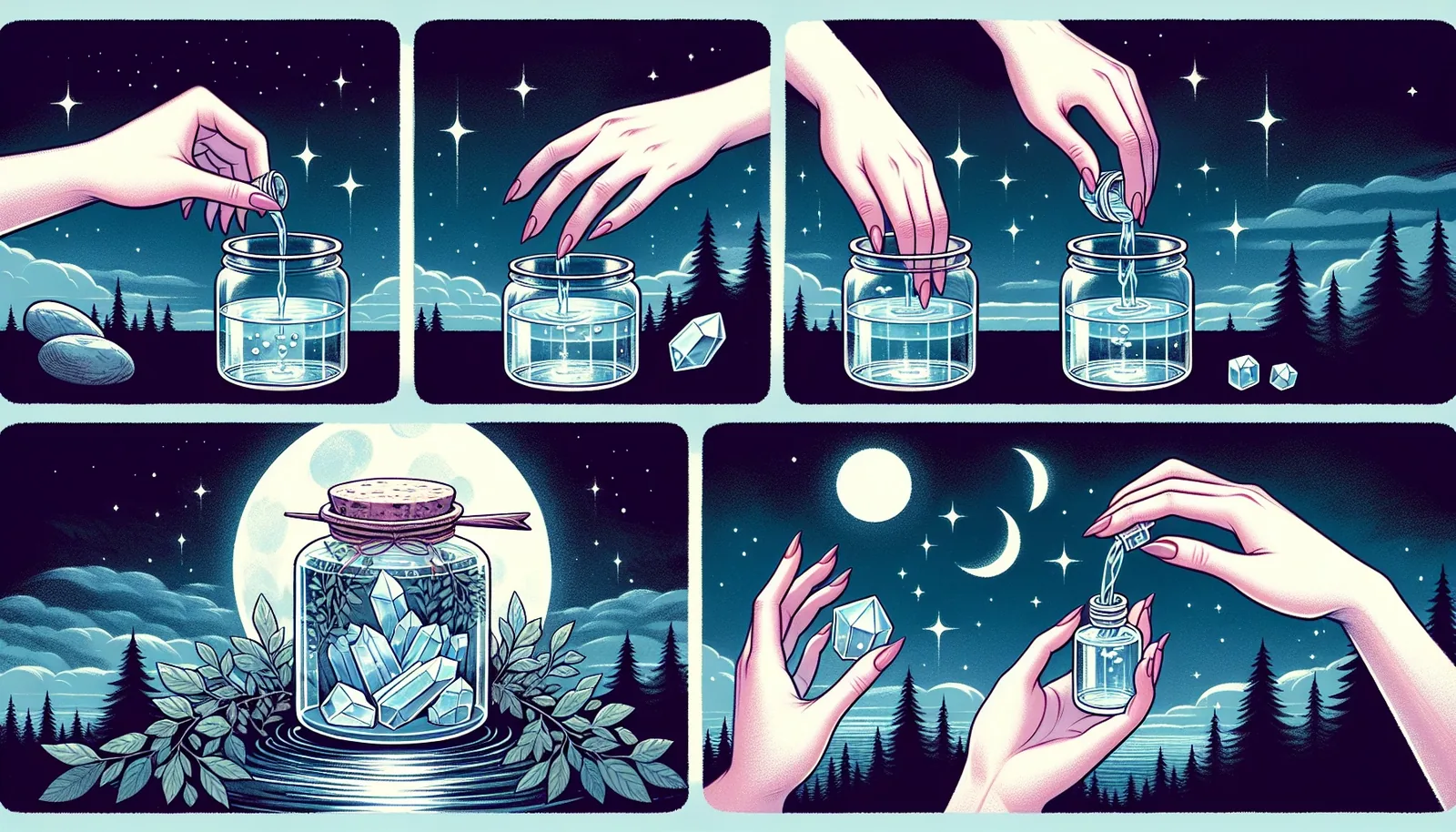
Whether a crystal can safely go in water depends primarily on its Mohs hardness, mineral composition, and whether it contains soluble or toxic compounds. Stones in the quartz family (Mohs 7) are generally safe for brief contact; selenite dissolves, malachite releases copper ions, and pyrite oxidizes to produce acid.
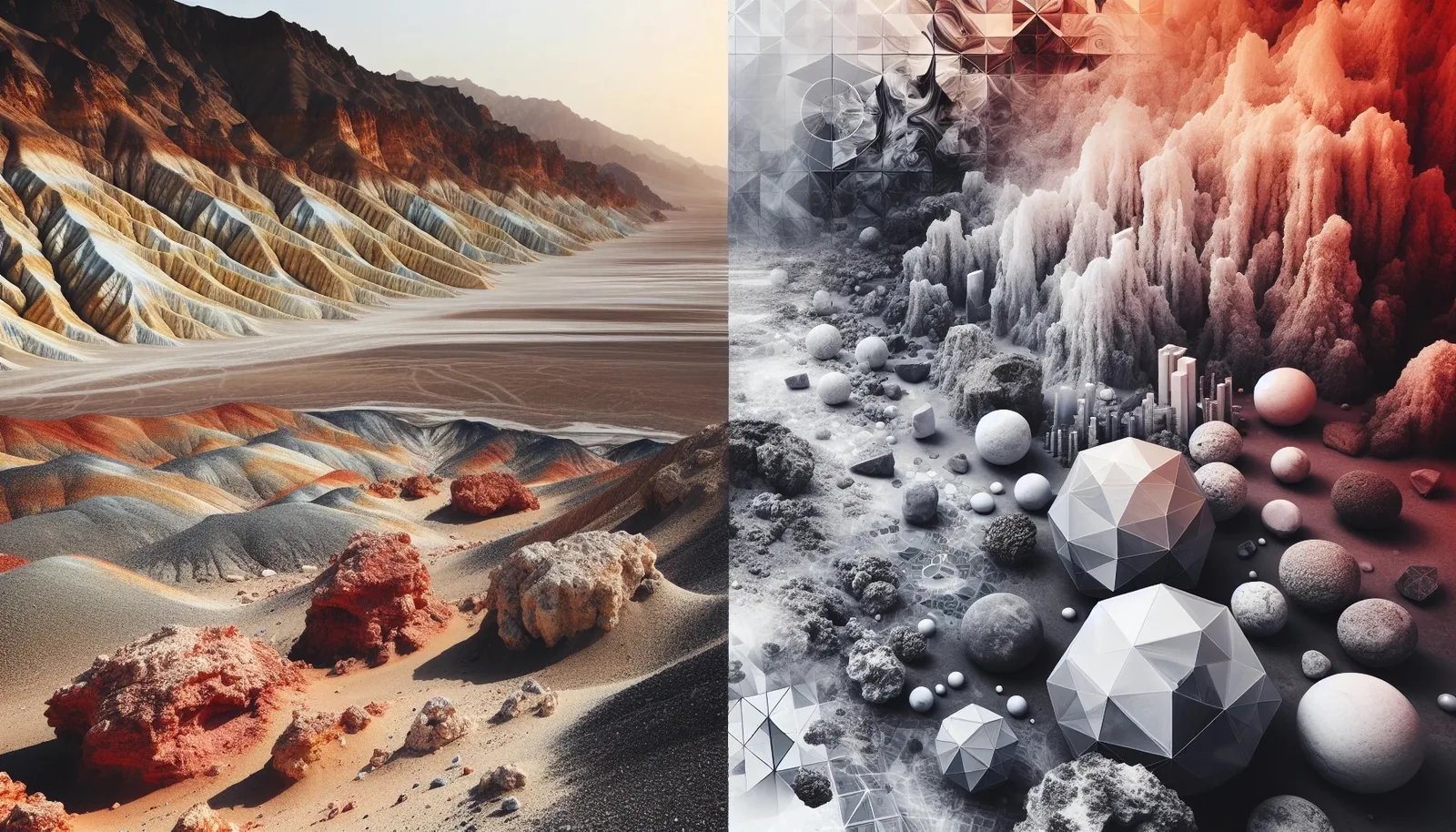
Rocks and crystals are not alive. By every scientific criterion used to define life — metabolism, cellular organization, reproduction, and response to stimuli — rocks qualify for none of them. Some crystals do grow by adding atoms to their lattice structure, and some rocks host living microorganisms inside them, but neither the crystal nor the rock is itself the living thing.
A real chakra bracelet uses identifiable natural gemstone beads — each chosen for its color correspondence to one of the seven chakras. You can verify authenticity at home using temperature, weight, magnification, a dye test, and a hardness check. A bracelet with glass, plastic, or heavily dyed common stone beads is not what it claims to be.